
Introduction

About Me

I am a fourth-year Ph.D. student in Computer Science at Oklahoma State University , where I conduct research in the Reasoning and Artificial Intelligence (rAIson) Lab under the supervision of Dr. Atriya Sen . I expect to complete my Ph.D. in July 2027.

Research program. I develop efficient, interpretable, and controllable language models through representation-guided adaptation and targeted intervention. My research connects parameter-efficient learning, mechanistic analysis, causal and counterfactual reasoning, and multimodal representation learning.

My recent work investigates dynamic low-rank routing, representation-guided token retention, adaptive memory, symbolic planning in transformers, and causal analysis of sentiment shifts in social-media conversations. Across these directions, I emphasize rigorous evaluation, computational efficiency, interpretability, robustness, and reproducible experimentation.

Teaching and mentoring. At Oklahoma State University, I have supported undergraduate courses in programming, operating systems, algorithms, discrete mathematics, databases, computer security, and social issues in computing. Before beginning my Ph.D., I served as a lecturer and instructor of record at the University of Asia Pacific and Uttara University .

As a lecturer, I designed and delivered courses in machine learning, pattern recognition, algorithms, operating systems, discrete mathematics, programming, and computer graphics. I also developed assignments and examinations, supervised undergraduate projects, and mentored student research from problem formulation through experimental evaluation and scholarly communication.

I earned my B.Sc. in Computer Science and Engineering from Rajshahi University of Engineering and Technology (RUET) .

Faculty vision. My goal is to establish an independent research program that advances reliable and resource-aware artificial intelligence while creating meaningful opportunities for student participation. I aim to integrate rigorous research, inclusive teaching, sustained mentorship, reproducible scholarship, and responsible applications of artificial intelligence.

Faculty job market: I am seeking tenure-track Assistant Professor positions in Computer Science beginning in Fall 2027.
PhD Comics — The Research Cycle, Strip 1759

“The Research Cycle” — Piled Higher and Deeper by Jorge Cham.
© Piled Higher and Deeper Publishing, LLC. Source

News

Research and Academic Highlights

2026

2025

2024

Earlier Academic Milestones

  • May 2023
    Joined the Complex Systems Lab at Oklahoma State University.
  • August 2022
    Began the Ph.D. program in Computer Science and a Graduate Teaching Assistant appointment at Oklahoma State University.
  • February 2022
    Two papers were accepted to ICCA 2022 .
Education

INSTITUTIONS AND DEGREES

Ph.D. in Computer Science

Oklahoma State University Logo

August 2022 - Present

Advisor: Dr. Atriya Sen

Research Group: Reasoning and Artificial Intelligence (rAIson) Lab

Research Focus: Efficient, interpretable, and reliable machine learning; natural language processing; language-model reasoning; representation learning; and multimodal learning.

Bachelor of Science in Computer Science and Engineering

Rajshahi University of Engineering and Technology Logo

January 2012 - October 2016

Undergraduate Thesis: Performance Analysis of Text Classification in Natural Language Processing with Supervised Machine Learning Algorithms.

Academic Foundation: Machine learning, natural language processing, algorithms, programming, and software development.

Experience

Academic Appointments

Oklahoma State University Logo

Graduate Teaching Assistant August 2022 – Present

Department of Computer Science , Oklahoma State University

Courses Supported:
  • Computer Science I (Fall 2026)
  • Design and Implementation of Operating Systems I (Spring 2023, Spring 2024, Spring 2026, Fall 2026)
  • Data Structures and Algorithm Analysis II (Fall 2023)
  • Discrete Mathematics for Computer Science (Fall 2024)
  • Social Issues in Computing (Spring 2025)
  • Introduction to Database Systems (Fall 2025)
  • Introduction to Computer Security (Fall 2022)
Teaching Responsibilities:
  • Supported undergraduate instruction through office hours, review sessions, laboratory assistance, and individualized student guidance.
  • Evaluated programming assignments, written assignments, examinations, and course projects using consistent grading criteria.
  • Helped students develop foundational skills in programming, algorithms, operating systems, databases, security, and discrete mathematics.

Graduate Research Assistant Summers 2025 and 2026

Reasoning and Artificial Intelligence (rAIson) Lab , Oklahoma State University

  • Developed efficient, interpretable, and controllable language-modeling methods involving parameter-efficient adaptation, token retention, symbolic planning, and causal intervention.
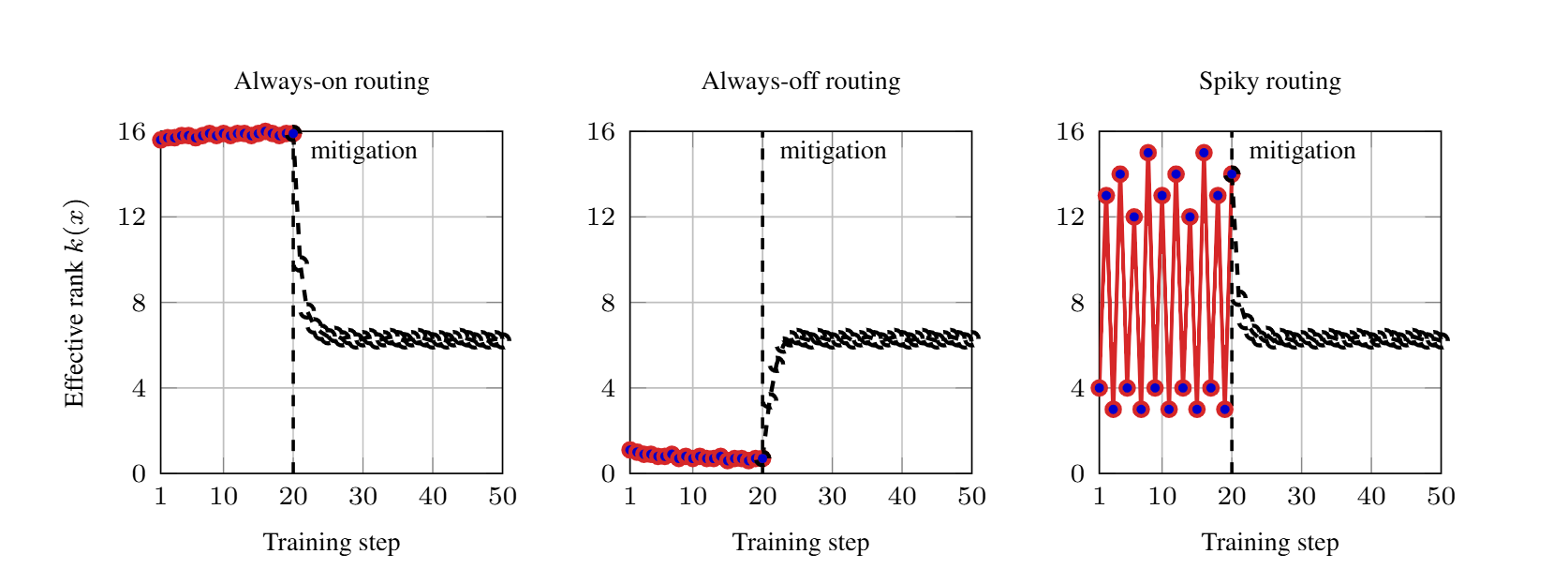
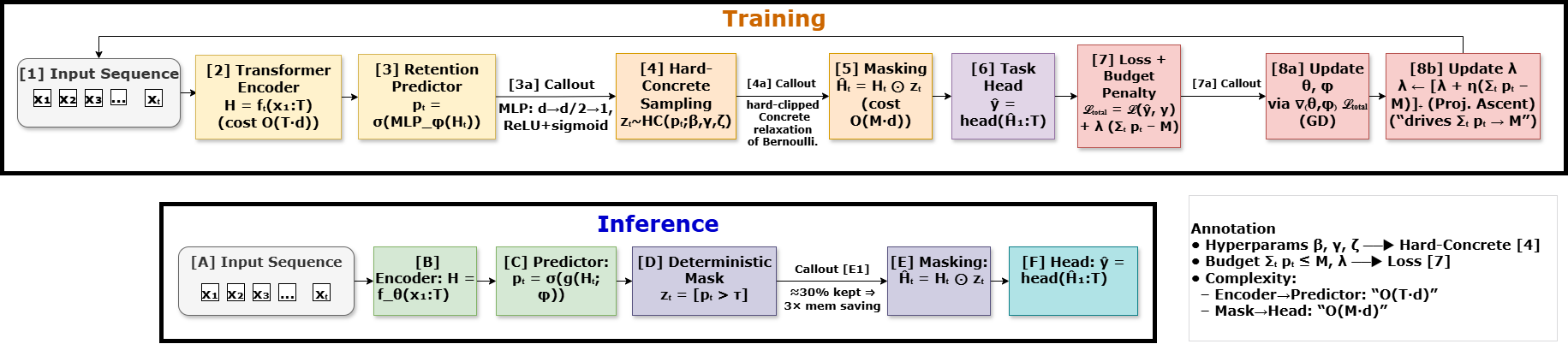
  • Designed dynamic low-rank routing and representation-guided masking methods to improve computational efficiency while preserving model performance and faithfulness.
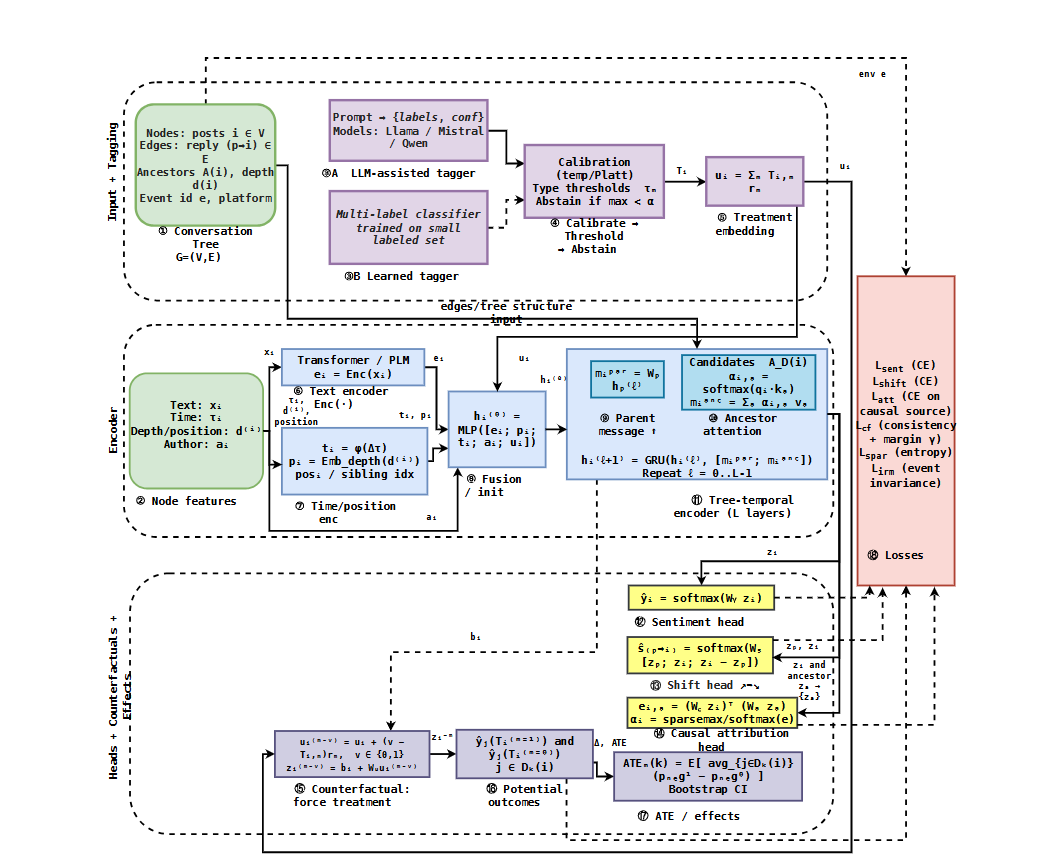
  • Developed structure-aware causal and counterfactual reasoning methods for analyzing sentiment shifts in social-media conversation trees.
  • Built reproducible PyTorch and Hugging Face pipelines for baselines, ablations, efficiency profiling, robustness analysis, and model evaluation.
  • Mentored student research on counterfactual editing, experimental evaluation, and manuscript preparation.

Graduate Research Assistant Summers 2023 and 2024

Complex Systems Lab , Oklahoma State University

  • Developed adaptive contextual masking methods for aspect-based sentiment analysis and multimodal sentiment reasoning.
  • Investigated aspect-aware fusion, attention alignment, and cross-modal feedback for text–image sentiment analysis.
  • Conducted controlled experiments and ablation studies to evaluate model components under missing and noisy modalities.
  • Developed reproducible research pipelines for multimodal representation learning, model evaluation, and robustness analysis.

University of Asia Pacific Logo

Lecturer October 2018 – July 2022

Department of Computer Science and Engineering, University of Asia Pacific

Theory Courses:
  • Machine Learning (Spring 2020, Fall 2020)
  • Pattern Recognition (Fall 2018 – Fall 2019)
  • Design and Analysis of Algorithms (Fall 2020)
  • Mathematics for Computer Science (Spring 2021)
  • Visual and Web Programming (Fall 2021)
Laboratory Courses:
  • Computer Graphics (Fall 2018 – Fall 2021)
  • Pattern Recognition (Fall 2018 – Fall 2019)
  • Design and Analysis of Algorithms (Fall 2019)
  • Compiler Design (Fall 2020)
  • Object-Oriented Programming II (Java) (Spring 2021)
  • Visual and Web Programming (Fall 2021)
Faculty Responsibilities:
  • Served as instructor of record and prepared lectures, laboratory exercises, assignments, examinations, and grading rubrics.
  • Supervised undergraduate projects and mentored student research in machine learning, computer vision, and data augmentation.
  • Contributed to course development, outcome-based assessment, and departmental academic activities.
Uttara University Logo

Lecturer February 2017 – October 2018

Department of Computer Science and Engineering, Uttara University

Theory Courses:
  • Programming Language and Application II (C++) (Fall 2017)
  • Operating System Design (Summer 2018)
  • Design and Analysis of Algorithms (Fall 2018)
  • Discrete Mathematics (Fall 2017)
Laboratory Courses:
  • Programming Language and Application II (C++) (Fall 2017)
  • Operating System Design (Summer 2018)
  • Design and Analysis of Algorithms (Fall 2018)
Faculty Responsibilities:
  • Delivered undergraduate lectures and laboratory sessions in programming, algorithms, operating systems, and discrete mathematics.
  • Prepared instructional materials, assignments, examinations, and laboratory activities.
  • Evaluated student work and provided academic guidance through office hours and project supervision.
Selected Publications

CONFERENCE PAPERS

(Most Recent First)
  1. C3T: Counterfactual Causal Reasoning for Sentiment Shifts in Social-Media Conversation Trees EMNLP 2026
    Rafiuddin, S. M., and Sen, A. C3T: Counterfactual Causal Reasoning for Sentiment Shifts in Social-Media Conversation Trees. In the 2026 Conference on Empirical Methods in Natural Language Processing (EMNLP 2026), Main Conference. Association for Computational Linguistics. To appear. Main Conference · To appear
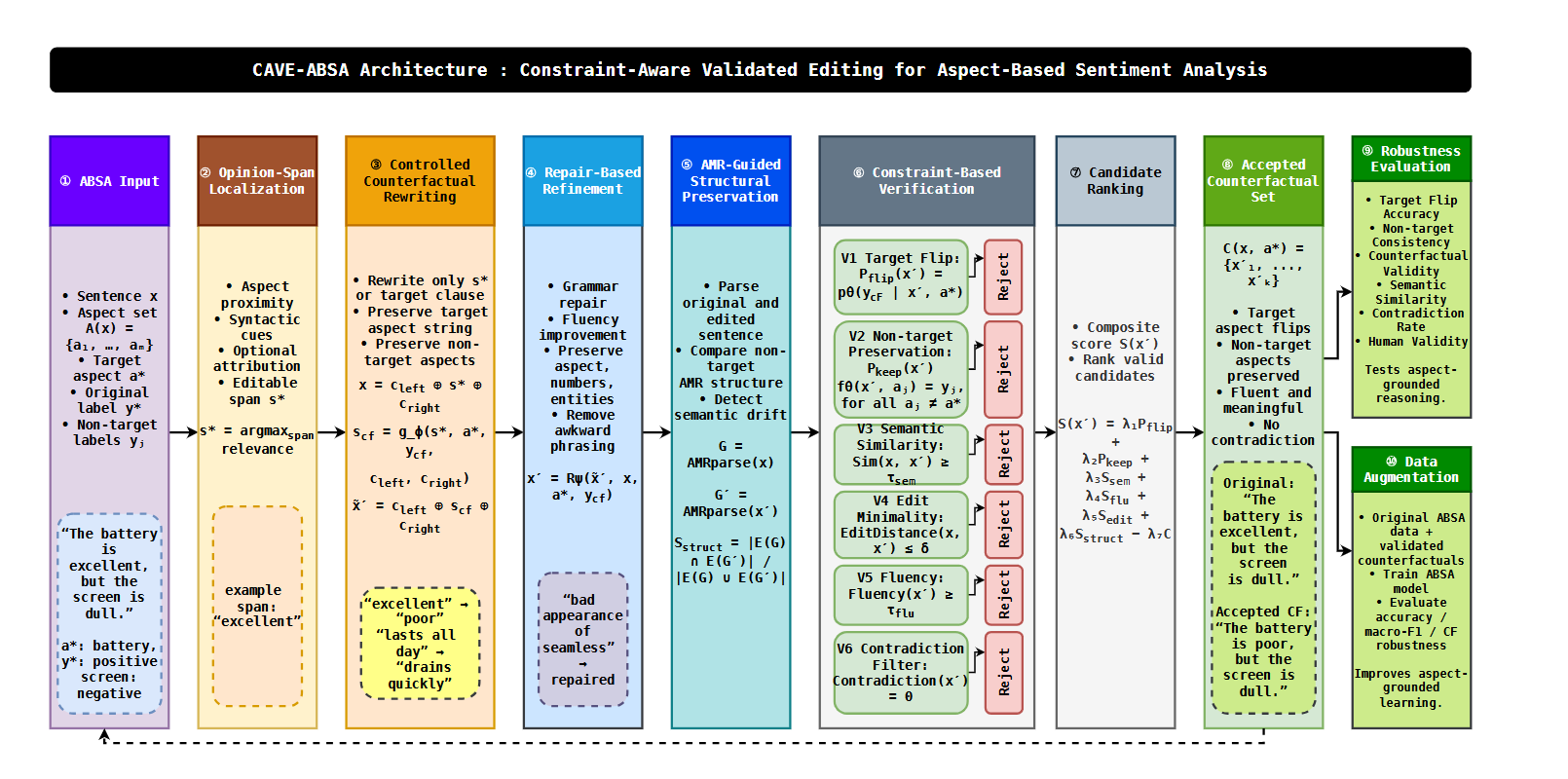
  2. Constraint-Aware Counterfactual Editing for Aspect-Based Sentiment Analysis HHAI-KEML 2026
    Rafiuddin, S. M., Pavuluri, V. K., and Sen, A. Constraint-Aware Counterfactual Editing for Aspect-Based Sentiment Analysis. In the 2nd International Workshop on Informing ML with Knowledge Engineering for Hybrid Intelligent Systems (HHAI-KEML 2026), July 6–7, 2026, Brussels, Belgium.
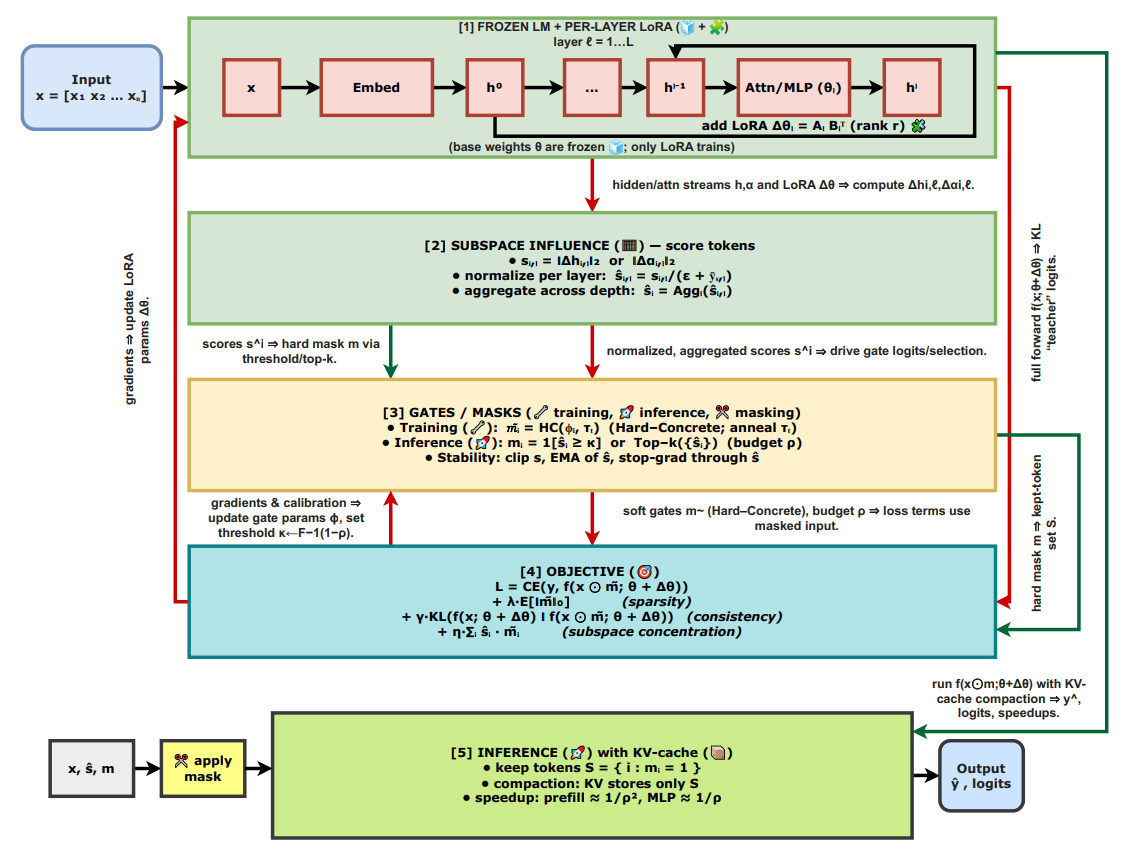
  3. Context-Conditioned Masked LoRA: Dynamic Rank Routing for Compute-Efficient Parameter-Efficient Fine-Tuning ACL 2026
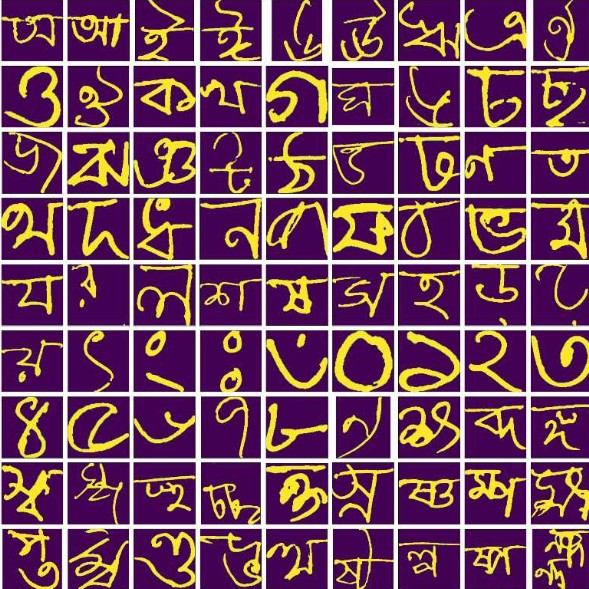
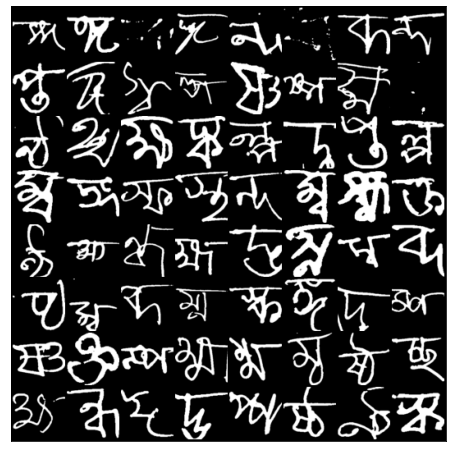
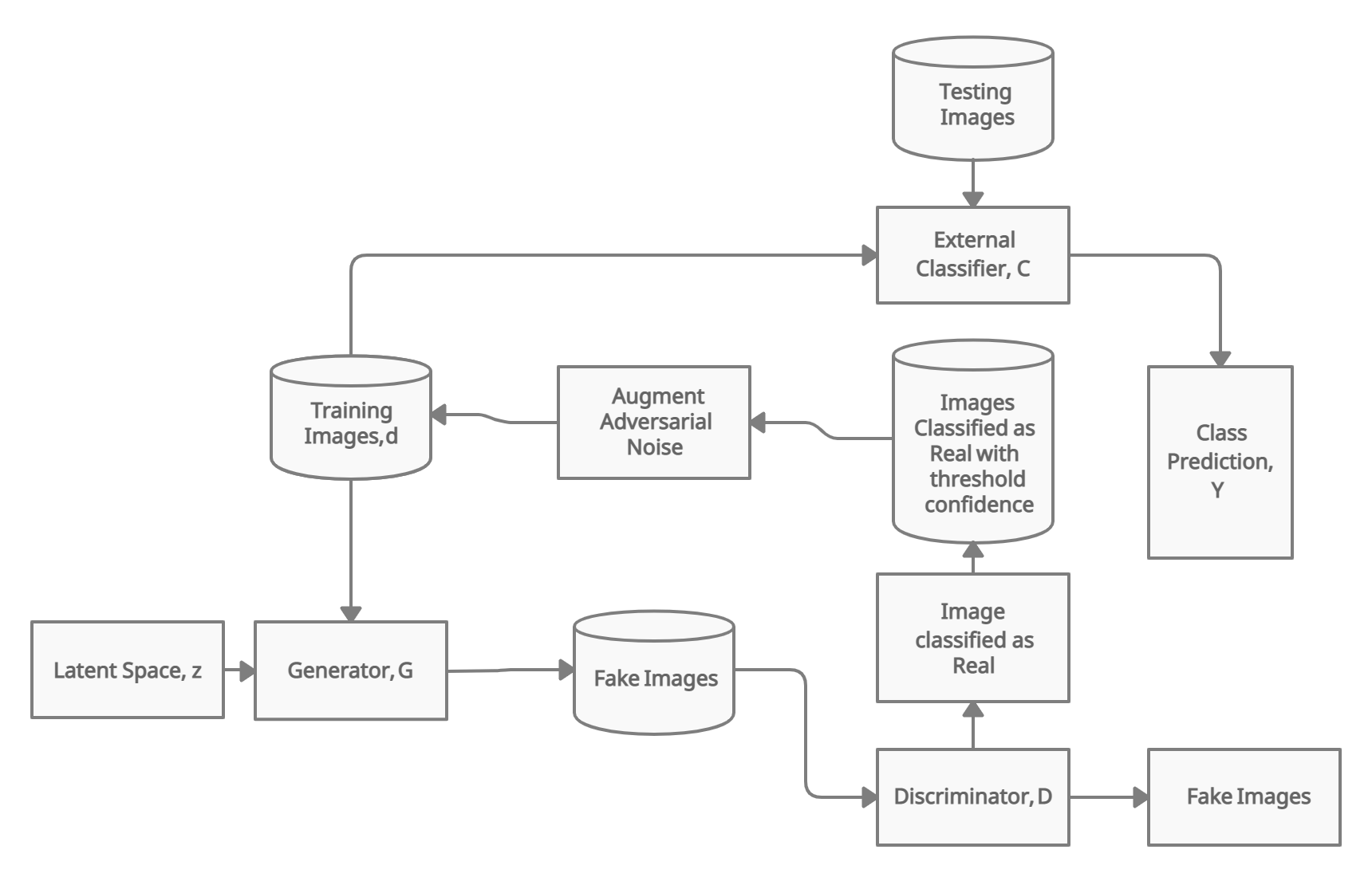
  4. Cross-Domain Adversarial Augmentation: Stabilizing GANs for Medical and Handwriting Data Scarcity RAAICON 2025
    Md. Sohanzuzzaman Soad, Mahady Al Hady, Rafiuddin, R., and Sudip Ghose. Cross-Domain Adversarial Augmentation: Stabilizing GANs for Medical and Handwriting Data Scarcity. In IEEE International Conference on Robotics, Automation, Artificial-Intelligence and Internet-of-Things 2025, 2026.
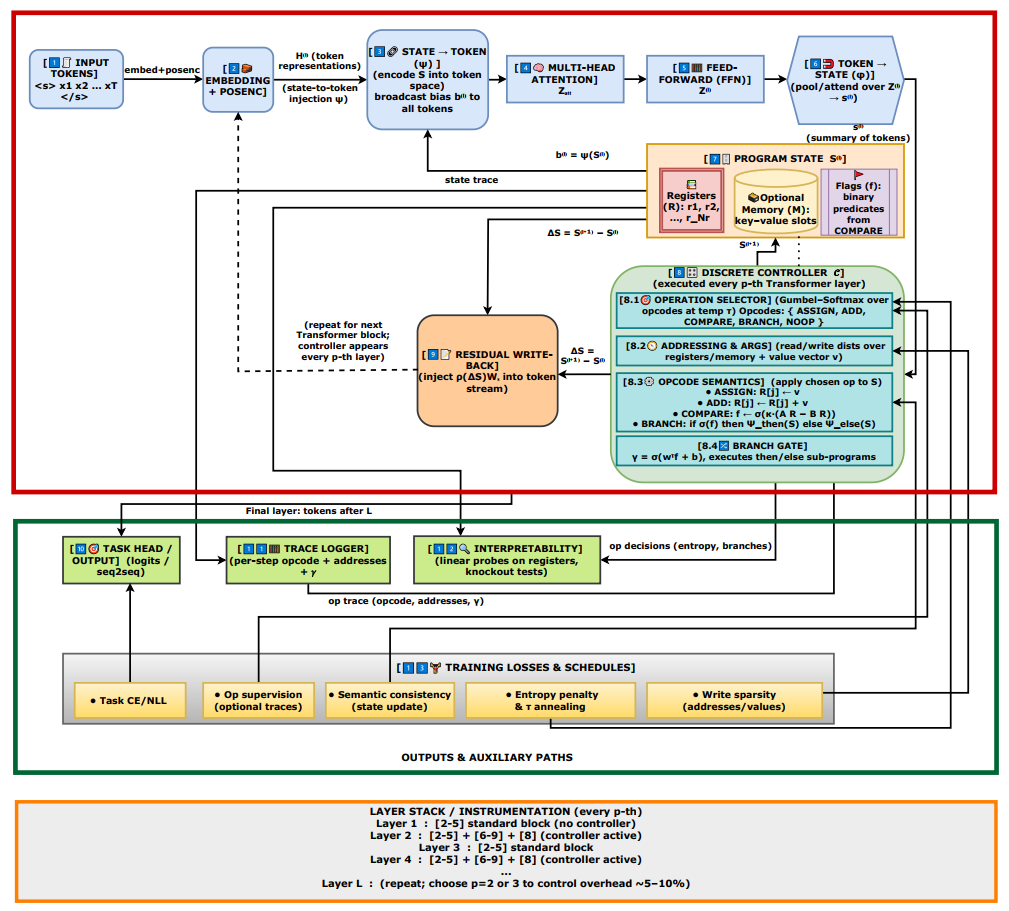
  5. Emergent Discrete Controller Modules for Symbolic Planning in Transformers ICLR 2026
    Rafiuddin, S. M., & Khan, M. N. Emergent Discrete Controller Modules for Symbolic Planning in Transformers. In International Conference on Learning Representations (ICLR 2026), April 23–27, 2026, Riocentro Convention and Event Center, Rio de Janeiro, Brazil. Poster presentation.
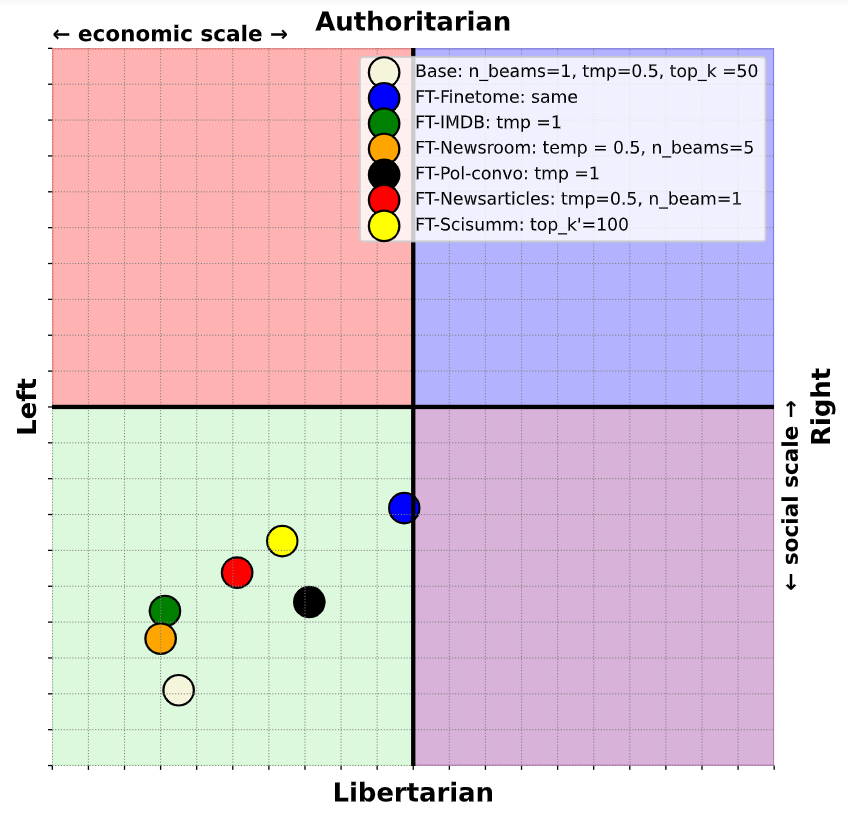
  6. A Detailed Factor Analysis for the Political Compass Test: Navigating Ideologies of Large Language Models AACL 2025
    Kamal, S., Prakash, L. P. Y., Rafiuddin, S. M., Rakib, M., Sen, A., & Ray Choudhury, S. A Detailed Factor Analysis for the Political Compass Test: Navigating Ideologies of Large Language Models. In International Joint Conference on Natural Language Processing & Asia-Pacific Chapter of the Association for Computational Linguistics (IJCNLP–AACL 2025), Main Conference (Short). December 20–24, 2025 — Victor Menezes Convention Centre (VMCC), IIT Bombay, Mumbai, India.
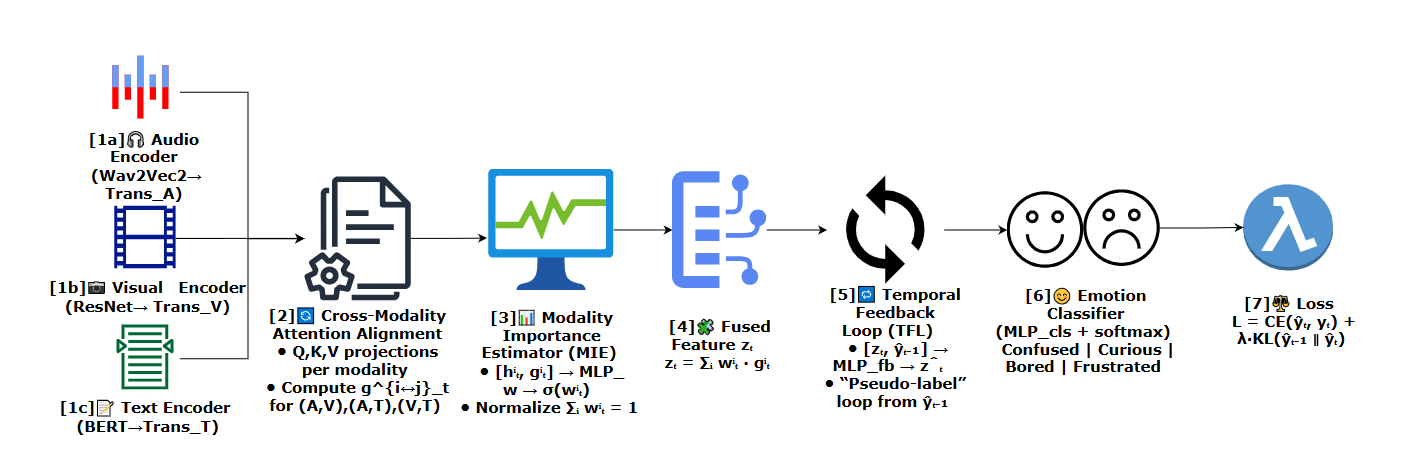
  7. Edu-EmotionNet: Cross-Modality Attention Alignment with Temporal Feedback Loops ICMLA 2025
    Rafiuddin, S. M. Edu-EmotionNet: Cross-Modality Attention Alignment with Temporal Feedback Loops. In Proceedings of the 24th International Conference on Machine Learning and Applications (ICMLA 2025), December 3–5, 2025, Boca Raton Marriott at Boca Center, Boca Raton, Florida, USA. Regular track. (Technically co-sponsored by IEEE; proceedings submitted to IEEE Xplore.)
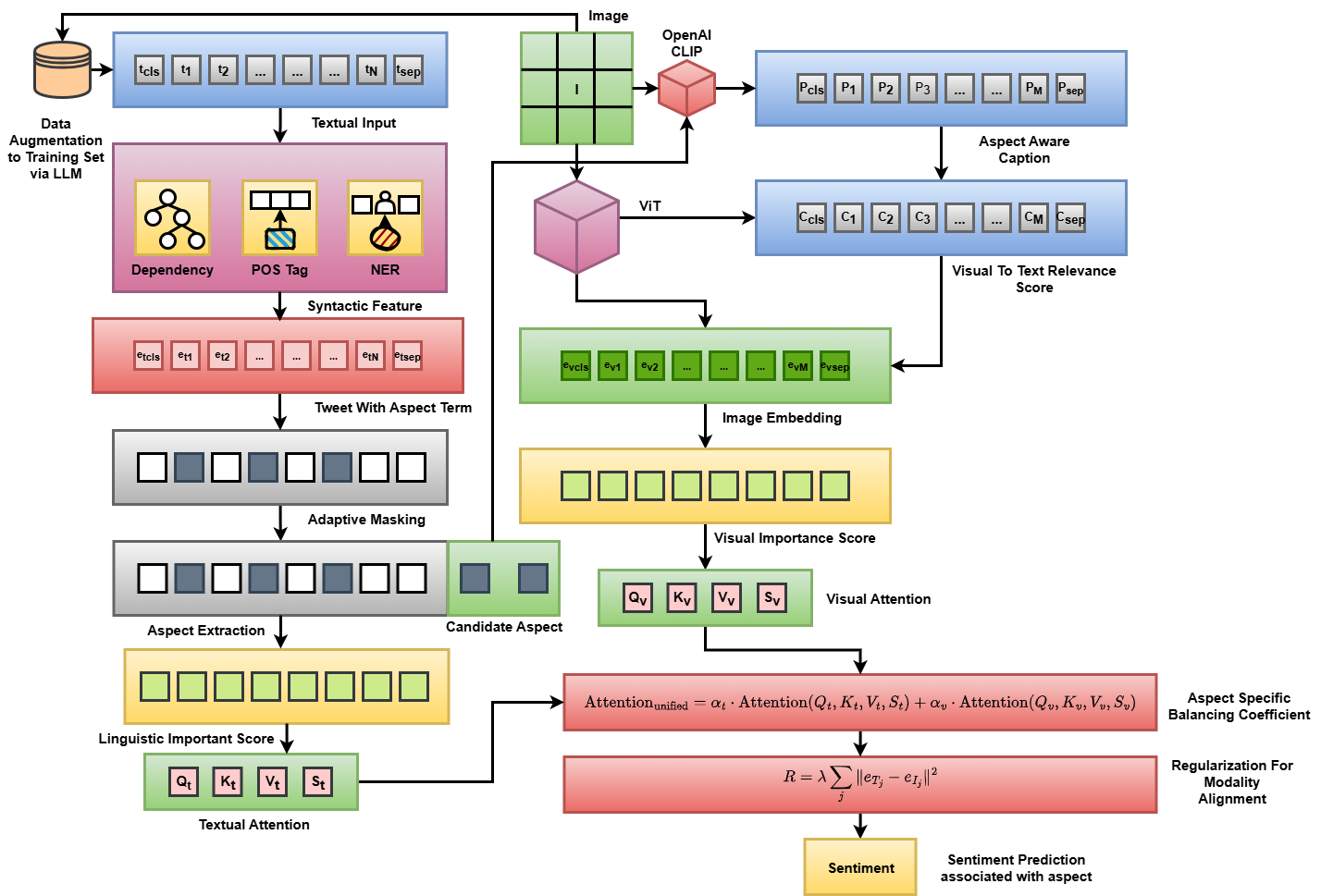
  8. AdaptiSent: Context-Aware Adaptive Attention for Multimodal Aspect-Based Sentiment Analysis ASONAM 2025
    Rafiuddin, S. M., Kamal, S., Rakib, M., Bagavathi, A., & Sen, A. (Forthcoming 2025). AdaptiSent: Context-Aware Adaptive Attention for Multimodal Aspect-Based Sentiment Analysis. In Proceedings of the 17th International Conference on Advances in Social Networks Analysis and Mining (ASONAM 2025) (Short). August 25–28, 2025 — Embassy Suites, Niagara Falls, Ontario, Canada. (Acceptance Rate: ~25%)
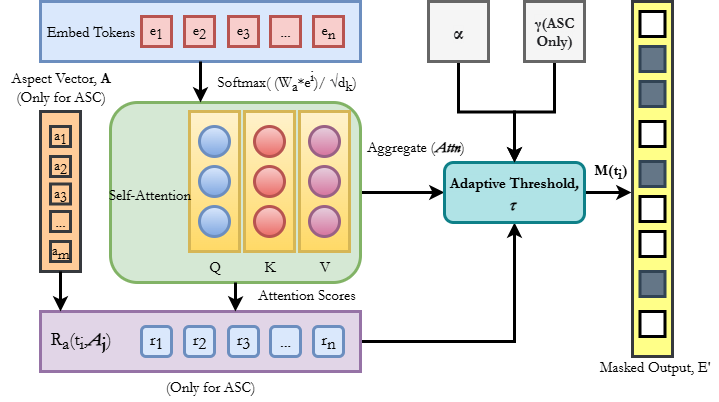
  9. PAKDD 2024 paper thumbnail PAKDD 2024
    Rafiuddin, S.M., Rakib, M., Kamal, S. and Bagavathi, A., 2024, April. Exploiting Adaptive Contextual Masking for Aspect-Based Sentiment Analysis. In Pacific-Asia Conference on Knowledge Discovery and Data Mining (pp. 147-159). Singapore: Springer Nature Singapore. (Acceptance Rate: 18.47%)
  10. Isolated Bangla Handwritten Character Classification ICCA 2022
    Karim, M. A., Rafiuddin, S. M., Islam Razin, M. J., & Alam, T. (2022, March). Isolated Bangla Handwritten Character Classification using Transfer Learning. In Proceedings of the 2nd International Conference on Computing Advancements (pp. 11-17).
  11. High Cursive Complex Character Recognition ICCA 2022
    Rafiuddin, S. M. (2022, March). High Cursive Complex Character Recognition using GAN External Classifier. In Proceedings of the 2nd International Conference on Computing Advancements (pp. 466-472).
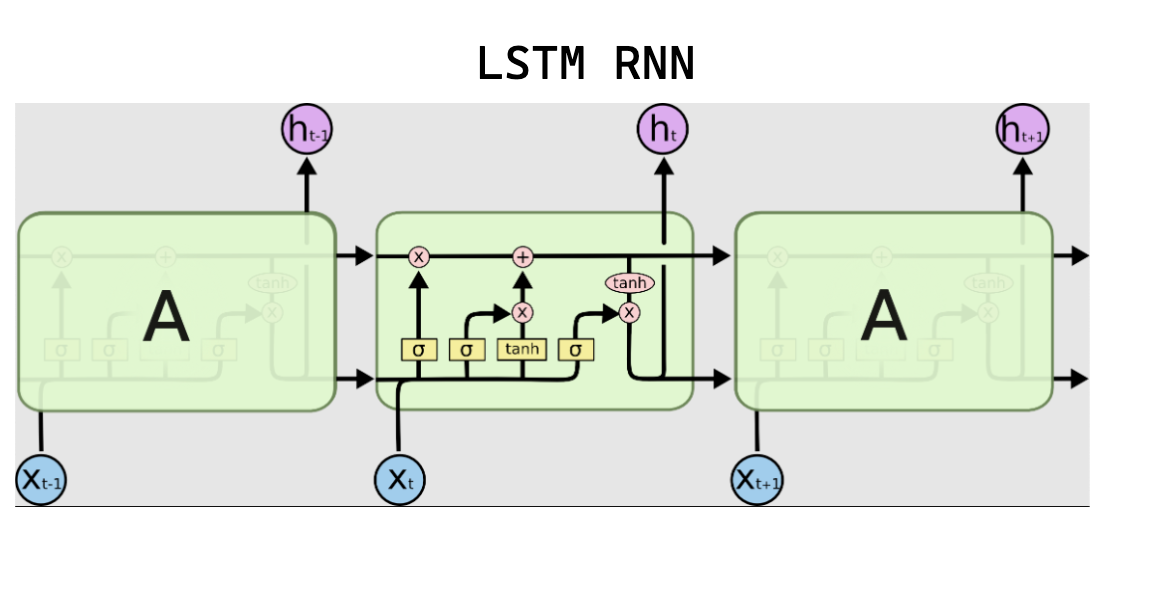
  12. LSTM Model for Business Sentiment Analysis Springer 2021
    Razin, J. I., Abdul Karim, M., Mridha, M. F., Rafiuddin Rifat, S. M., & Alam, T. (2021). A Long Short-Term Memory (LSTM) Model for Business Sentiment Analysis Based on Recurrent Neural Network. In Sustainable Communication Networks and Application (pp. 1-15). Springer, Singapore.
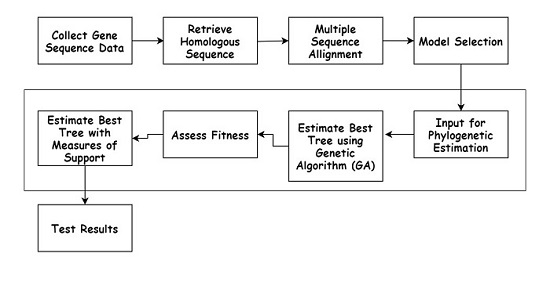
  13. Estimation of Phylogenetic Tree using Gene Sequencing Data EICT 2019
    Rafiuddin, S. M. (2019, December). Estimation of Phylogenetic Tree using Gene Sequencing Data. Electrical Information and Communication Technology (EICT), 2019 4th International Conference on. IEEE, 2019.
  14. Ranking of Bangla word graph using graph based ranking algorithms EICT 2017
    Rafiuddin, S. M. (2017, December). Ranking of Bangla word graph using graph based ranking algorithms. Electrical Information and Communication Technology (EICT), 2017 3rd International Conference on. IEEE, 2017.
  15. Performance analysis of supervised machine learning algorithms for text classification ICCIT 2016
    Mishu, Sadia Zaman, and S. M. Rafiuddin (2016, December). Performance analysis of supervised machine learning algorithms for text classification. Computer and Information Technology (ICCIT), 2016 19th International Conference on. IEEE, 2016.

Research Portfolio

SELECTED RESEARCH SOFTWARE AND COMPUTATIONAL PROJECTS

Selected projects demonstrating experience in machine learning, natural language processing, computational modeling, scientific software development, and reproducible experimentation.

Machine Learning, NLP, and Data-Driven Modeling

  • Estimating Influenza Cases Using Numerical Methods and Machine Learning (2024)

    Compared SVIR-based numerical solvers, including the midpoint and fourth-order Runge–Kutta methods, with LSTM, CNN, FTA-LSTM, and Random Forest models for forecasting H1N1 outbreaks. Random Forest with direct forecasting produced the strongest performance on the evaluated real-world data.

  • Sentiment Analysis on Cloud Platforms (2022)

    Developed and compared sentiment-analysis pipelines using AWS Comprehend, Google Cloud Natural Language, and IBM Watson to evaluate API-based NLP classification on real-world textual data.

  • Breast Cancer Detection Using Deep Learning (2021)

    Developed and evaluated Inception, VGG16, MobileNet, transformer, and other deep-learning architectures for detecting invasive ductal carcinoma in histopathology images from the Kaggle IDC dataset.

  • Image Embedding and Classification Using Deep Neural Networks (2021)

    Developed an Xception-based pipeline for extracting, visualizing, and classifying image embeddings, including interactive two- and three-dimensional TensorBoard visualizations.

  • Data Augmentation with Generative Adversarial Networks (2021)

    Implemented adaptive discriminator augmentation to stabilize GAN training under limited-data conditions, with support for Bangla character and numeral synthesis across multiple generative architectures.

  • Performance Analysis of Supervised Machine Learning Algorithms for Text Classification (2016)

    Evaluated supervised learning methods, including an artificial neural network trained through backpropagation, for classifying labeled textual datasets as part of undergraduate thesis research.

Computational Methods and Intelligent Systems

  • Adaptive Blockchain with Dynamic Difficulty and SJF Prioritization (2024)

    Designed a blockchain simulation combining dynamic difficulty adjustment with shortest-job-first transaction prioritization through a minimum priority queue to improve throughput and reduce waiting time under high transaction loads.

  • Protein Structure Prediction Using PyRosetta (2020)

    Developed molecular-modeling pipelines using PyRosetta for protein structure prediction, energy-based evaluation, and structural refinement.

  • Phylogenetic Tree Construction with Genetic Algorithms (2019)

    Applied genetic algorithms to evolutionary-tree estimation using gene-sequencing data and developed modular support for multiple genomic datasets obtained from NCBI.

Additional Software Development

  • GO-CART: 3D Unity Game (2021)

    Developed a Unity-based 3D racing game with physics-based movement, third-person camera tracking, collision detection, real-time scoring, and event-driven game-completion logic.

  • Java Scientific Calculator (2014)

    Developed a Java Swing desktop calculator supporting arithmetic, trigonometric, logarithmic, and exponential operations through graphical and keyboard-based input.

Resources

SELECTED ACADEMIC AND TECHNICAL RESOURCES

A curated collection of resources that I find useful for research, teaching, technical learning, academic development, and scientific communication.

Research Communication and Visualization

  • StoryTribe

    An AI-assisted storyboard and visual-storytelling workspace for communicating research, instructional, and technical ideas through structured visual narratives.

    Website
  • Jay Alammar

    Illustrated explanations of transformers, language models, embeddings, NLP, generative AI, and related machine-learning concepts.

    Articles
  • Colah’s Blog

    Visual and concept-driven essays on neural networks, representations, interpretability, recurrent models, convolutional networks, and transformer circuits.

    Articles
  • Visual Machine Learning Notes

    A curated gallery of illustrated machine-learning notes that combines technical explanations with clear visual design.

    Notes
  • Aman.ai

    Detailed technical primers on transformers, large language models, embeddings, RAG, multimodal models, agents, and fundamental machine-learning methods.

    Primers
  • Brandon Rohrer’s Blog

    Tutorials, projects, code, and explanatory essays covering machine learning, language models, robotics, and software engineering.

    Tutorials

Courses and Technical Learning

  • Introduction to Causal Inference

    Brady Neal’s free causal-inference course from a machine-learning perspective, with lectures, slides, readings, and a companion textbook.

    Course
  • Neural Networks: Zero to Hero

    Andrej Karpathy’s code-first course on building neural networks from scratch, progressing from backpropagation to language models, GPT, and tokenization.

    Course
  • Stanford CS224N

    Stanford course materials on natural language processing with deep learning, including representation learning, transformers, and modern language models.

    Course

Academic Development and Research Community

  • A Survival Guide to a Ph.D.

    Andrej Karpathy’s practical reflections on choosing, navigating, and successfully completing a doctoral program.

    Guide
  • David Evans’ Advice Collection

    A curated collection of guidance on research, graduate school, writing, presenting, teaching, mentoring, and academic careers.

    Advice
  • CSRankings

    A publication-based tool for exploring computer-science departments and faculty members by institution and research area.

    Rankings
  • U.S. Research Universities

    A reference list of universities in the United States organized by Carnegie R1 and R2 research classifications.

    Reference

Research Computing and Productivity

  • GNU Screen Quick Reference

    A practical command-line cheat sheet for creating, attaching, detaching, navigating, splitting, and managing persistent GNU Screen sessions.

    Cheat Sheet

Personal

  • Movies and Television

    My IMDb ratings for movies and television series that I have watched.

    IMDb